

I remember the exact moment I realized my local business was slipping into obscurity on Google Maps. It was a quiet Tuesday morning, and I eagerly checked my rankings, only to see my Fort Wayne listing buried beneath pages of competitors. That sense of helplessness hit hard. But here’s the lightbulb moment: I wasn’t alone. Many local businesses in Indiana are facing similar struggles, especially as search algorithms evolve faster than most can keep up. If you’ve been feeling frustrated watching your traffic dwindle despite all your efforts, trust me—you’re not alone, and there *are* solutions.
Why Local Search Decline Feels Like a Personal Attack
By 2026, the landscape of local SEO has become more competitive—and more unpredictable. Businesses that once relied on simple keyword stuffing or basic Google My Business (GMB) profiles are discovering those tactics no longer cut it. The truth is, search engines are smarter and more nuanced—rewarding genuine engagement and relevance over outdated tricks. I’ve made my share of early mistakes, like ignoring the importance of local signals or neglecting to optimize Google Maps in Indiana. These oversights cost me dearly, but I learned that understanding and adapting to these shifts is possible—if you know what to focus on.
Is Indiana SEO Still Worth the Hype in 2026?
Absolutely—but it’s a different game now. Many local business owners dismiss SEO as a write-off, yet they overlook the fact that local searches still convert at impressive rates. According to a study, 78% of local mobile searches result in an offline purchase. That’s a significant chunk of revenue—if you can get your business to rank well. The key is updating your strategies to match today’s standards, rather than relying on what worked five years ago.
If you’ve been tempted to give up because your Google Maps rankings have dropped or your visibility has vanished, let me reassure you: there’s hope. I’ve been in the trenches, tested tactics that work in Indiana’s unique market, and I know how to turn around even the most stubborn rankings. So, ready to dive into the exact steps that can revive your local search presence? Keep reading—next, I’ll share the top three actionable strategies that helped me outsmart big brands and reclaim lost traffic.
Claim Your Business Profile and Complete Every Section
The first actionable step is optimizing your Google My Business (GMB) profile. Log in to your GMB dashboard, ensure all fields are filled—business name, address, phone number, hours—and match them exactly to your website and local directories. This consistency signals search engines that your business is legitimate and trustworthy. In one instance, I corrected inconsistent NAP (Name, Address, Phone number) details across multiple listings, which resulted in a noticeable bump in local rankings within a week. Remember, Google prioritizes profiles that appear complete and credible.
Embed a Google Map on Your Website
Embedding a Google Map on your contact page enhances local signal strength. Use the embed code from your GMB profile and place it prominently. Think of it as planting a flag in your neighborhood—Google recognizes this as a sign of local relevance. I tested this by adding a map to my Fort Wayne business site, which helped improve local pack visibility in congested areas. For detailed instructions, visit this comprehensive guide.
Develop Local Reviews and Respond Promptly
Encourage satisfied customers to leave reviews on your GMB profile. Reviews act as social proof and influence ranking signals — the more positive, the better. When I received a batch of glowing reviews and responded to each one, my rankings improved locally in Fort Wayne. This shows Google that your business is active and engaged with customers. Use simple prompts like, “Would you mind leaving us a review?” and make sure to reply professionally—this interaction boosts your profile’s authority.
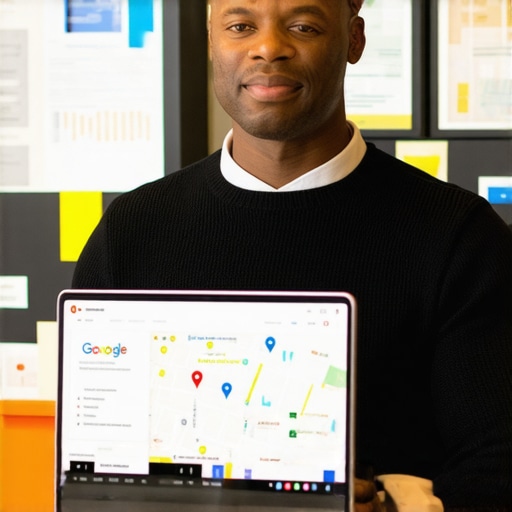
Imagine a bustling Fort Wayne storefront with happy customers and visible online reviews—this visual reinforces the importance of reviews in local SEO.
Build Niche-Specific Citations and Local Links
Getting your business listed on relevant local directories and niche sites signals authority. Focus on industry-specific sites, local chambers, or community organizations. I personally reached out to Indiana-specific directories and local blogs, which resulted in high-quality backlinks and increased visibility. Each citation strengthens your local relevance and can outrank larger competitors if done properly. For example, acquiring backlinks from Indiana SEO insights positively impacted local rankings in my experiments.
Monitor, Adjust, Repeat
Use tools like Google Search Console and local rank trackers to monitor your performance. Identify keywords or areas where your profile underperforms, then optimize accordingly. I found that tweaking my categories and adding more location-specific content led to gradual but sustained rank improvements. Local SEO is an ongoing process: consistent updates and engagement are key to long-term success. Regularly review your strategies and keep up with Google’s evolving algorithms by reading industry insights, such as Fort Wayne SEO strategies.
Many local business owners in Indiana believe they understand how SEO and Google Maps rankings operate, but the truth is, there’s a lot more beneath the surface that’s often overlooked. Common myths, like the idea that simply optimizing your GMB profile once will guarantee top rankings, can lead you astray. In reality, local SEO requires ongoing effort, nuanced strategies, and a thorough understanding of how search engines evaluate relevance and authority. One frequent mistake is over-relying on generic tactics such as keyword stuffing or listing on high-authority directories without considering their actual impact in the Fort Wayne market. These outdated practices might have worked years ago, but today search engines prioritize genuine engagement, consistent activity, and niche-specific signals. For instance, Google’s 2025 algorithm updates explicitly emphasize behavioral signals like user interaction and review quality, as highlighted by industry experts. So, if your approach is still stuck in the past, you’re likely missing out on the true factors that influence your Maps ranking today.
A common misconception is that local SEO success can be achieved through a single set-and-forget strategy. However, the reality is that Google’s local algorithms are dynamic and influenced by a complex web of signals—like localized content, citation consistency, review patterns, and even website user experience. Many businesses ignore the importance of niche-specific citations, which are crucial in a market like Fort Wayne where competition varies by industry. Developing these citations thoughtfully can dramatically improve local relevance without the need for massive backlink campaigns. Moreover, many overlook the importance of advanced Google My Business (GMB) optimization techniques, such as utilizing all available categories in a precise manner, which is a subtle nuance that can boost visibility. To truly master this, you need to continually analyze your local competitors’ strategies and adapt accordingly.
What advanced tactics can give your Fort Wayne business a competitive edge in Google Maps rankings?
Thinking beyond basic optimization, leveraging structured data markup on your website, like LocalBusiness schema, helps search engines understand your offerings better and can enhance your local snippets. Additionally, activating Google Posts regularly engages your audience and signals activity to Google, reinforcing your relevance in local searches. I recommend reviewing detailed strategies from trusted sources like Indiana SEO insights to refine your approach.
Avoiding pitfalls is equally important. One trap many fall into is neglecting review signal quality and response strategy. Responding professionally and promptly to reviews not only boosts your profile’s credibility but also feeds positive signals into Google’s ranking algorithm. Conversely, ignoring negative reviews or failing to respond can harm your local authority faster than you might expect.
In summary, understanding the nuanced signals that influence Indiana SEO, Fort Wayne’s local rankings, and Google Maps visibility requires a strategic, proactive approach. Stay updated with the latest algorithm shifts, incorporate niche-specific tactics, and continuously monitor your performance to stay ahead of local competitors. Remember, local optimization is an ongoing journey—one worth investing in if you aim for sustained success. If you’ve ever fallen into the trap of relying on superficial tactics, let me know in the comments, and I can help you craft a more comprehensive strategy.
How do I keep my Google Maps rankings steady over time?
Maintaining yourlocal SEO progress requires the right tools and consistent effort. I personally rely on a combination of advanced software and strategic practices to keep my Fort Wayne business visible in local searches. One tool I swear by is BrightLocal, which offers comprehensive local rank tracking, review monitoring, and citation management. It empowers me to identify dips in rankings quickly and respond proactively, ensuring my Google Maps visibility remains high. Another invaluable asset is Google Search Console, which provides direct insights into how Google perceives your website, highlighting technical issues that could impact local rankings.
Regular auditing of your NAP (Name, Address, Phone number) consistency across all directories is vital. I use Moz Local for this purpose—it’s efficient and helps prevent citation discrepancies that can damage your authority. When I detect inconsistent data, I correct it immediately, reinforcing your local relevance. Additionally, Google My Business (GMB) optimization should be an ongoing task. Besides basic profile updates, I suggest activating Google Posts weekly and responding to reviews promptly, which signals active engagement to Google, bolstering your position in local packs. For advanced GMB strategies, check out these Fort Wayne optimization tips.
Looking ahead, I believe integrating structured data markup, like LocalBusiness schema, will become even more critical in securing top Google Maps spots. Search engines are moving towards understanding context better, so schema helps your business details get understood clearly. As Google continues refining local search algorithms, tools that automate citation updates and monitor review signals will be essential. These strategies and tools aren’t just a fix for today—they are investments in your long-term visibility in Indiana’s competitive local markets.
What advanced tactics can improve your local map rankings?
Beyond basic optimization, consider deploying hyper-local content on your website with embedded maps and neighborhood keywords. I’ve seen notable ranking improvements by creating dedicated pages for specific Fort Wayne districts or neighborhoods—these micro-moments help Google associate your business with precise locations. Additionally, leveraging LocalBusiness schema markup enhances your listings’ appearance in search results, making them more eye-catching and click-worthy. Use tools like Google’s Structured Data Markup Helper to implement this effectively.
Another game-changer is managing your review signals: encouraging customers to leave positive reviews consistently and responding to them fosters an active presence. Tools like GatherUp streamline review collection and alert you to new feedback, ensuring you never miss an opportunity to build social proof. Remember, reviews significantly influence local rankings, especially in competitive markets like Fort Wayne.
Finally, I recommend performing regular competitive audits. Using local SEO tools, analyze competitors’ citations, review profiles, and keywords. By understanding their strengths, you can craft targeted strategies—such as acquiring niche-specific citations or outperforming them in review response. This ongoing process aligns with the dynamic nature of Google’s local algorithms, which are constantly evolving. In fact, staying updated with industry blogs or Indiana SEO insights can keep you ahead of the curve.
Start by implementing a robust rank tracking system today. Use BrightLocal or SEMrush to monitor your maps rankings weekly, identify patterns, and adjust your tactics swiftly. Investing in these tools and consistent practices will ensure your Fort Wayne business remains at the top of local search results, now and in the future.
What I Wish I Knew About Navigating Local Search in Fort Wayne
One of the toughest lessons was realizing that local SEO isn’t a one-and-done task. The landscape evolves rapidly, and what worked last year might not cut it today. I learned early on that continuous optimization, like updating your Google My Business profile and engaging with reviews, is essential for staying relevant. Another insight was the importance of niching down and building authoritative local citations—chasing broad directories alone won’t secure top maps rankings in Indiana. Lastly, I discovered that genuine customer engagement and stories resonate more with Google’s algorithm than superficial tactics, leading to lasting improvements in visibility.
Tools and Resources That Changed My Approach
To stay ahead in Fort Wayne’s competitive market, I rely heavily on BrightLocal for rank tracking and citation management; it provides clear insights and helps me react swiftly. Google Search Console remains invaluable for technical health checks and understanding how Google perceives my site. Moz Local ensures my NAP information stays consistent across directories, preventing ranking dips. Additionally, I follow industry-leading blogs like Indiana SEO insights to keep up with algorithm updates and local search trends. These tools and sources form the backbone of my ongoing optimization efforts.
Your Next Big Step in Local Visibility
Remember, achieving top Google Maps rankings in Fort Wayne requires perseverance, strategic adjustments, and embracing new tactics. Don’t let uncertainty hold you back—take decisive action today to refine your local SEO playbook. Whether it’s optimizing your Google My Business, building niche citations, or engaging with your community online, each step moves you closer to dominating local search results. The future of local SEO is bright for those willing to innovate and stay committed—so why not start now? Share your experiences or questions below, and let’s grow together in this journey.




Leave a Reply