
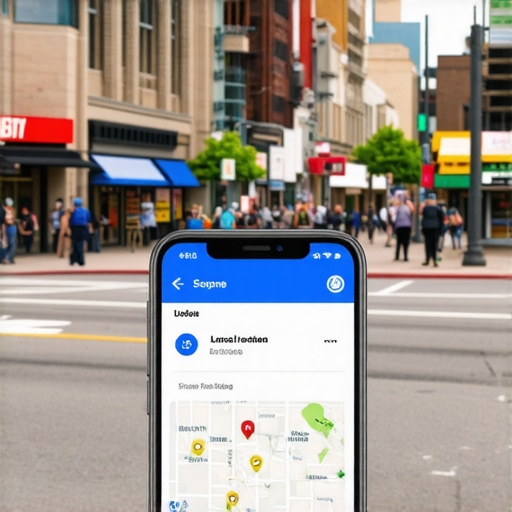
Just a few months ago, I found myself standing in front of my storefront, staring at the Google Maps pin that stubbornly refused to move. It was like shouting into the void. No matter how much effort I put into my website, reviews, or keywords, my shop’s location on Google Maps stayed invisible to potential customers. That lightbulb moment hit me hard: I was missing crucial local SEO signals, and my Google Maps presence was paying the price. If you’re like I was, frustrated by your storefront’s digital invisibility, you’re not alone. Many small shop owners in Fort Wayne face a similar struggle, especially when trying to compete on a zero-budget. But here’s the good news: you don’t need a big marketing budget to improve your local search visibility. What you do need is an understanding of the key signals that influence Google Maps rankings—and that’s what I’ll share today.
Climbing the Maps Ladder Without Breaking the Bank
Is Your Google Maps Listing Really Worth It?
Before I mastered these tactics, I made a mistake I see many others repeating: neglecting the fine details in their Google Business Profile. I assumed that just having a listing was enough—that Google would sort out the rankings for me. Spoiler: it doesn’t. I discovered that small, overlooked tweaks could skyrocket my map rankings. This mistake taught me a vital lesson: local SEO isn’t about big budgets; it’s about smart, strategic signals. If you’ve ever felt your shop’s Google Maps pin is just not moving, perhaps it’s time to change your approach. Are you ready to learn the exact signals that can help your shop climb to the top of local maps rankings? I promise, the insights I’ll share are backed by real-world results. For more in-depth strategies tailored to small shops, you can check out this comprehensive guide on maps ranking in Fort Wayne. Let’s dive into the tactics that can turn your local SEO around and get your business the visibility it deserves.
Streamline Your Google My Business Profile
Start by claiming and verifying your GMB listing if you haven’t done so. Ensure all business details are accurate—name, address, phone number, and categories—consistent across your website and directories. I once corrected a mismatched phone number that was inconsistent with my website, which immediately improved my local ranking. This step is fundamental because Google values consistency; discrepancies can weaken your visibility.
Optimize Your Business Information
Use relevant keywords naturally in your business description. Think about what potential customers search for, like “Best pizza in Fort Wayne” or “Affordable hair salons near me.” Incorporate these into your profile to signal relevance to Google. Add services, products, and attributes that match your offerings. For instance, I added specific services like “Organic Hair Coloring” which helped attract targeted local searches.
Leverage Photos and Videos
Upload high-quality images of your storefront, staff, and products regularly. Visual content builds trust and encourages engagement. I found that updating photos monthly kept my profile active, which correlates with better rankings. Use the image prompt system to include compelling visuals, like a bustling storefront during peak hours.
Build Local Citations and Backlinks
Get your business listed consistently across directories like Yelp, Bing Places, and industry-specific sites. NAP consistency (Name, Address, Phone) is crucial; mismatched info here can hurt your SEO. Additionally, seek backlinks from local blogs, chambers, and partners. I contacted a local chamber for a feature, which resulted in a valuable backlink and a bump in rankings.
Encourage and Manage Reviews
Reviews are a powerful local signal. Ask satisfied customers to leave positive reviews—and respond to them promptly. I personally requested reviews after completing jobs, which increased both quantity and quality, boosting my visibility. Keep in mind, reviews should be genuine and at least four stars to influence rankings positively.
Engage with Local Content and Events
Create and share content relevant to Fort Wayne—like local events, partnerships, or seasonal offers. Google values local relevance, and such content increases your chances of appearing in local searches. I hosted a small workshop and promoted it online, which attracted local attention and improved my map ranking. Incorporate keywords tied to your community to strengthen signals.
Monitor and Adjust Your Strategy
Use tools like Google Analytics and Insights to track your progress. Monitor search trends in Fort Wayne and adjust your keywords and content accordingly. Regularly check your GMB profile for inaccuracies or outdated info. I set monthly reviews to ensure my profile stays optimized, which kept my rankings steadily improving. Remember, local SEO isn’t a one-and-done task—it requires ongoing effort.
Many local business owners assume optimizing their Google My Business (GMB) profile with basic details is enough to rank highly in Google Maps. However, this oversimplified approach often leads to frustration, as rankings stagnate despite consistent effort. The real secret lies in understanding the sophisticated signals Google uses—many of which are misunderstood or outright overlooked. For example, several experts highlight that Google increasingly values user engagement metrics like click-through rate (CTR), direct traffic, and customer interactions over traditional signals. In fact, a study by Moz indicates that behavioral signals can significantly influence local rankings, making it essential for Fort Wayne shops to focus on audience engagement strategies that go beyond just local citations or reviews. Additionally, the misconception that once optimized, rankings will remain stable is risky. Google’s algorithms are continuously evolving—what worked last year may not cut it today. An advanced mistake is neglecting to regularly audit and adapt your local SEO tactics in response to algorithm updates, which can cause your rankings to plummet unexpectedly. Moreover, many owners fail to leverage niche-specific or intent-driven signals—such as incorporating long-tail keywords that match local search queries in your profile and content. Incorporating these nuanced signals can help differentiate your business from competitors who rely solely on generic local SEO tactics. So, rather than following the herd, take the time to analyze how Google interprets relevance and authority in your specific industry. To deepen your understanding and stay ahead of the curve, I recommend exploring comprehensive resources like the article on Google Maps signals for Indiana. Remember, mastering these nuanced factors is what separates top-ranking shops in Fort Wayne from the rest. Are you falling into this trap? Let me know in the comments.
Maintenance Matters: Keeping Your SEO Efforts Robust Over Time
Staying ahead in local SEO, especially on Google Maps, requires ongoing effort, precise tools, and strategic adjustments. The key isn’t just setting up your profile—it’s about continuous maintenance that adapts to evolving algorithms and local search trends. Regularly auditing your Google My Business (GMB) listing ensures all information stays current, which is vital as outdated details can undermine your rankings. Tools like BrightLocal and Whitespark are my personal go-tos for tracking local citations and maintaining NAP consistency, as they offer comprehensive reports and alerts that catch discrepancies early. These platforms help prevent ranking drops caused by inconsistent data, a common mistake highlighted in our local SEO mistakes guide.
Tools That Automate and Simplify Maintenance
Besides citation management, I rely heavily on Google Search Console to monitor your website’s performance and identify crawl issues or manual actions that could affect your maps rankings. Using Google Analytics gives insights into user behavior, helping refine keywords and content strategies to better align with local search intent. For visual content, tools like Canva allow quick creation of high-quality images or videos to keep your profile vibrant and engaging. Consistent content updates, such as local event coverage, are more manageable with these tools, ensuring your profile stays active—a factor Google values highly.
What Will Be Your Maintenance Challenge Tomorrow?
Looking ahead, automation and AI-driven tools will likely become even more critical. For instance, emerging AI content generation tools can help craft local posts or respond to reviews, saving time while maintaining engagement. Predictive analytics may soon forecast ranking fluctuations, allowing preemptive adjustments to your strategy. Staying updated with reliable sources like Indiana SEO insights will prepare you for these upcoming shifts.
How do I keep Google Maps rankings thriving over the long haul?
Consistency is everything. Regularly update your business information, respond promptly to reviews, and refresh your visual content. Use citation management tools to spot discrepancies early and prevent ranking damage. My recommendation is to set a monthly maintenance routine where you check analytics, review citations, and update content. Remember, Google increasingly prioritizes user engagement metrics—so actively cultivating your profile’s activity will serve you well in the future.
Finally, don’t just guess—test advanced tactics like incorporating niche-specific keywords into your profile and leveraging local events to boost relevance. For step-by-step guidance on implementing these strategies, see the comprehensive Map ranking tactics for Fort Wayne. Try integrating one automation or content update today, and watch your local visibility grow!
The Hardest Lesson I Learned About Google Maps in Fort Wayne
One of my biggest realizations was that optimizing my Google Business Profile isn’t a set-it-and-forget-it task. I once believed that filling out my profile was enough, only to see my rankings stagnate. The lightbulb moment came when I discovered that consistent activity, responding to reviews, and updating photos were critical signals that Google values—and which I had overlooked.
My Favorite Tools to Elevate Local SEO Efforts
Tools like BrightLocal and Whitespark became my secret weapons for maintaining citation consistency and tracking local rankings. Google Search Console and Analytics provided real-time feedback on user engagement and search performance. Incorporating Canva helped me craft eye-catching visuals for my profile and local content, keeping my listing vibrant and engaging. These tools streamline my strategy and ensure I stay proactive rather than reactive in Fort Wayne’s competitive landscape.
Your Journey Starts with Small Wins and Consistent Action
Stepping into local SEO isn’t about overnight success—it’s about persistent, strategic efforts. Whether you’re updating your profile weekly, engaging with reviews, or creating local content, each action compounds over time, elevating your visibility. Remember, the key is to stay adaptable, informed, and committed. If you’re ready to take your Google Maps presence to the next level, I encourage you to embrace continuous improvement and explore the resources that can guide your growth. Ready to boost your Fort Wayne shop’s local search rank? Let me know your biggest challenge below and let’s tackle it together.




Leave a Reply