
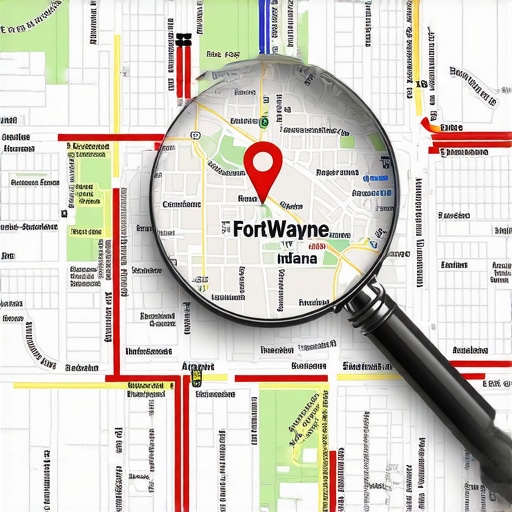
Have you ever felt that frustrating moment when your business pops up everywhere online—except where it counts? I remember the first time I tried to boost my local visibility in Fort Wayne. I thought I could just create a profile and hope for the best. Spoiler: That didn’t work. My phone buzzed with inquiries, but they were from cities miles away, not from Fort Wayne. It was a lightbulb moment—local SEO and Google Maps aren’t just optional; they’re the backbone of local success.
Why Google Maps Rankings Matter More Than Ever
In today’s digital landscape, appearing at the top of Google Maps isn’t just a nice-to-have. It’s essential. According to recent studies, over 70% of users click on the first three local results when searching for nearby services. That means if your business isn’t showing up where your customers are looking, you’re losing potential clients daily. The good news? With the right strategies, you can dominate local search results. I’ll show you how to get there, step by step.
Is Google Maps Optimization Overhyped?
I used to think so, too. I believed that simply having a Google My Business (GMB) profile was enough. However, I made a costly mistake early on—failing to optimize my profile correctly. I didn’t pay attention to categories, neglecting to add accurate NAP (Name, Address, Phone Number) info, and forgot to encourage reviews. These oversights kept my rankings buried. If you’re skeptical about whether local SEO really makes a difference, I get it. But the truth is, ignoring it can be a quick path to obscurity. The good news? There are proven tactics that work, and I’ll guide you through them.
If you’re ready to stop guessing and start ranking, check out some of the most effective Fort Wayne Google Maps tips at this resource. Whether you’re a small business owner or a local service provider, mastering these strategies can transform your visibility and bring in more local customers.
Claim Your Business Profile Correctly
Start by verifying your Google My Business (GMB) listing accurately. Make sure your business name, address, and phone number (NAP) are consistent across all platforms. During my first attempt, I mistakenly used different phone numbers on my website and GMB, which confused Google. Once I corrected this, I saw my rankings improve within weeks. Double-check your categories to match your services precisely, and add high-quality photos that showcase your business. For detailed GMB optimization tips, visit this resource.
Optimize Your Business Description and Attributes
Craft a clear, keyword-rich description that highlights what makes your business unique. Use relevant local keywords naturally; avoid keyword stuffing. Fill out all available attributes—such as hours, services, and amenities—as these are often used by Google to match your listing with user queries. I once neglected to update my hours for holidays, which caused confusion and lost calls. Keep your info current and accurate to maintain trust and relevance.
Build and Manage Reviews Effectively
Reviews are a major ranking factor. Encourage satisfied customers to leave positive reviews. Respond promptly to all reviews, especially negative ones, to demonstrate engagement. I learned this the hard way—ignoring reviews led to stagnation. A polite, professional response to a critical review turned a dissatisfied customer into a loyal one, boosting my profile’s credibility and ranking. Implement a simple system for review requests after each service.
Local Citations and Consistency Are Key
Ensure your business info is consistent across directories like Yelp, Bing Places, and industry-specific listings. Discrepancies can harm your rankings. Use tools or services to audit your citations regularly. When I started syncing my NAP info across all platforms, I noticed a steady climb in local search visibility. For an in-depth citation strategy, check this guide.
Leverage Local Backlinks and Content
Earn backlinks from reputable local sources—chambers of commerce, local blogs, or partners. These signals tell Google your business is relevant locally. I reached out to a local charity for sponsorship, which earned me a backlink and increased my local authority. Also, create blog content about local events or news; this boosts your relevance and shows Google you’re invested in the community. Regular fresh content can significantly impact your rankings.
Monitor, Analyze, and Adjust
Use Google Analytics and Google Search Console to track your progress. Keep an eye on your local rankings and reviews. Adjust your strategy based on what the data tells you. I once ignored a dip in my rankings, only to discover I had a duplicate listing causing confusion. Resolving it restored my visibility quickly. Continuous monitoring is essential for sustained success.
By systematically applying these steps, you can elevate your Fort Wayne business in Google Maps rankings. For more detailed, proven strategies, explore this comprehensive guide.
Many local businesses dive into Google Maps optimization with the belief that a few basic tweaks will instantly skyrocket their rankings. However, this oversimplification often leads to costly mistakes. Let’s dig deeper into what most people get wrong about local SEO for Google Maps and how understanding the nuances can make all the difference.
Why Thinking More Links Always Means Better Rankings Is a Trap
A prevalent myth is that accumulating backlinks from any source will boost your Google Maps rankings. While backlinks are important, quality trumps quantity. Google’s algorithms prioritize backlinks from reputable, locally relevant sources—like the local chamber of commerce or trusted community blogs. Focusing on building high-quality, relevant links and avoiding spammy backlinks can prevent penalties and improve rankings sustainably.
Beware of Over-Optimization and Keyword Stuffing
It’s tempting to stuff your business description and attributes with keywords, thinking it will rank you higher. But Google penalizes over-optimized profiles. Instead, craft a natural, engaging description that subtly incorporates your target keywords. For example, instead of saying “best Fort Wayne plumbing service,” say “reliable plumbing solutions proudly serving Fort Wayne residents.” Remember, Google values user experience and relevance over keyword density.
Misunderstanding the Role of Reviews and Engagement
Many believe reviews alone will push their rankings to the top. While reviews are a significant factor, Google also considers your response rate and engagement. Responding thoughtfully to reviews, especially negative ones, signals active management and boosts your credibility. Additionally, encouraging reviews should be part of a broader reputation management strategy, not just a quick review request. An overlooked nuance is that consistent engagement can influence your local pack positioning over time.
Advanced Tips for the Savvy Marketer
For those ready to go beyond the basics, consider leveraging local backlinks and community content. Creating localized content or sponsoring community events can earn valuable backlinks and increase your local authority. Also, monitor your Google My Business insights regularly—tracking user actions like calls, directions, and visits helps refine your strategy. Remember, local SEO isn’t a one-and-done task; it’s an ongoing process requiring attention to detail and strategic patience.
Have you ever fallen into this trap? Let me know in the comments. If you want expert help to optimize your Google Maps presence, you can reach out here for personalized assistance.
Maintaining strong Google Maps rankings over time requires more than initial optimization; it demands ongoing effort, the right tools, and a strategic approach. In this section, I’ll share exactly what I use personally to ensure my local SEO efforts stay effective and scalable.
Invest in Reliable Citation Management Software
Consistency is king when it comes to citations. I rely heavily on tools like BrightLocal and Whitespark to audit and manage my business listings. These platforms automatically detect discrepancies in NAP data across directories, saving me hours of manual checking. Regular audits ensure my information remains accurate, which Google rewards with better rankings. As citation data continues to grow in importance, having a dedicated management tool helps me stay ahead.
Utilize Google Analytics and Search Console for Deep Insights
Tracking performance is crucial. I frequently analyze user behavior, call conversions, and search queries using Google Analytics combined with Search Console data. These tools help reveal what’s working and what needs adjustment, whether it’s a change in keywords, photos, or review strategies. Monitoring these metrics ensures my local SEO remains aligned with current user behavior and competitive trends.
Leverage Local SEO Plugins and Automation
For website optimization, I use plugins like Yoast SEO and Schema Pro. These tools help me embed local schema markup, which enhances my visibility in local packs. Additionally, automation tools like Zapier streamline review requests and social media posting, keeping my profile active and engaging without manual effort. Staying consistent is key, and automation makes it manageable even as my business grows.
Plan for Future Trends in Local Search
Looking ahead, voice search and AI-driven local queries will become more prevalent. To prepare, I’m experimenting with conversational keywords and optimizing for featured snippets. Tools like Answer the Public and SEMrush help me identify trending questions and long-tail keywords. Staying adaptable with these insights will help your rankings stay resilient as search behaviors evolve.
How do I maintain Google Maps rankings over time?
Regularly auditing your citations, analyzing your data, automating routine tasks, and keeping an eye on emerging trends are the pillars of sustained success. I recommend trying out BrightLocal for citation audits and SEMrush for keyword research—it’s a game-changer. Remember, local SEO isn’t a set-it-and-forget-it deal. Consistent effort and the right tools will keep your business visible and competitive in Google Maps.
For personalized guidance or to implement advanced strategies, don’t hesitate to reach out here.
The Hardest Lesson I Learned About Local SEO
One of my biggest realizations was that local SEO isn’t a one-time fix; it’s an ongoing commitment. Early on, I thought optimizing my Google My Business profile once would secure top rankings forever. Turns out, Google’s algorithms are constantly evolving, and so should your strategies. Regularly updating your profile, engaging with reviews, and monitoring local trends keeps your business relevant and visible.
My Essential Toolkit for Google Maps Success
Over time, I’ve found that certain tools make managing local SEO much easier. BrightLocal is fantastic for citation audits, ensuring my NAP info is consistent everywhere. Google Search Console provides insights into what users are searching for and how my listings perform. Yoast SEO helps optimize my website for local keywords, and Schema Pro adds local schema markup to boost visibility. Trust me, combining these tools creates a powerful advantage in Fort Wayne’s competitive local market.
Your Turn to Make an Impact
Mastering Google Maps rankings isn’t just about following steps; it’s about continuously learning and adapting. The more effort you put into understanding your local audience and optimizing accordingly, the higher you’ll climb. Don’t wait for your competitors to outrank you—take action today and watch your business thrive in Fort Wayne’s local scene.
What’s the biggest challenge you’ve faced in optimizing your Google Maps presence? Let me know below!




Leave a Reply