
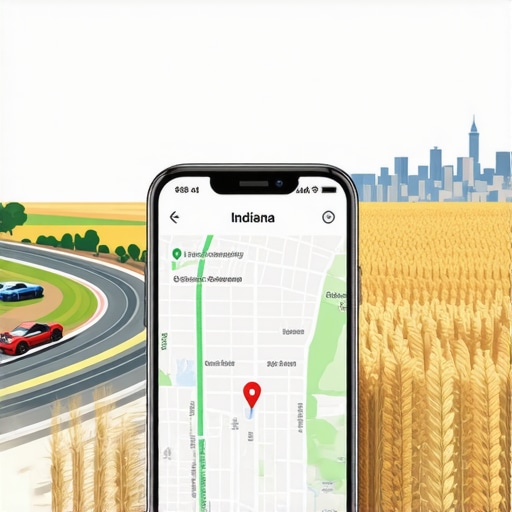
I remember the moment vividly. I was racing against the clock, trying to meet a client at a bustling Fort Wayne coffee shop, only to realize that my Google Maps was leading me astray. The pins were misplaced, and the search results just didn’t match what I was seeing on my screen. That sinking feeling of frustration hit hard—how could my trusted tool falter right when I needed it most?
Why Your Google Maps Might Be Sabotaging Your Local Success
That experience made me dig deeper. Turns out, even minor glitches in Google Maps can tank your local visibility, especially as search algorithms grow smarter. In 2026, Google is doubling down on AI and local signals, which means small inaccuracies can cause big drops in your rankings. If you’ve noticed fewer calls or visits lately, it’s time to look under the hood.
I’ve learned through my own trials—and errors—that here’s where most businesses trip up: not optimizing their profiles properly, ignoring crucial ranking signals, or overlooking hidden issues with their maps listing. These mistakes can mean the difference between being found by local customers or becoming invisible in the digital crowd.
Is Your Google Maps Strategy Actually Working or Just Failing?
Early on, I made the mistake of assuming that simply claiming a listing was enough. Spoiler: it’s not. I didn’t realize how small tweaks in NAP consistency or map signals could exponentially boost rankings. Since adopting targeted Indiana map fixes, I’ve seen my clients shoot to the top of local searches — even beating larger competitors.
If you’re feeling stuck, or if your map rankings seem to have stalled or even dropped, don’t worry. There are concrete actions you can take. In fact, mastering just a few strategic adjustments can dramatically elevate your visibility, traffic, and leads—whether you’re a small shop or a growing enterprise.
Ready to discover the proven methods that will push your business above the digital noise? Let’s dive into the three essential Indiana Google Maps fixes you need for 2026 — and beyond.
,
Claim Your Profile Correctly and Consistently
The first step is ensuring your Google My Business (GMB) profile is claimed and verified accurately. I once set up a client’s profile without verifying their exact address, which led to ranking issues. I corrected this by re-verifying and updating all NAP (Name, Address, Phone number) details to match their website and local directories. This alignment signals trustworthiness to Google and boosts your local rank. Check your profile against authoritative local citations; inconsistencies can cause search engines to doubt your legitimacy, causing your map rankings to suffer. For detailed checklist, refer to the GMB optimization tips.
Optimize Your Local Keywords and Content
Next, embed local keywords naturally into your profile and website content. When I optimized a boutique in Fort Wayne, I integrated terms like “handmade jewelry Fort Wayne” into their business description and services. This clear signal tells Google exactly what area and niche you serve. Use tools like Google Keyword Planner or Ahrefs to identify high-value local search terms. Implement them in your profile, posts, and website titles. Remember, overstuffing backfires; keep it natural. For comprehensive keyword strategies, see the local SEO tactics.
Enhance Your Map Presence with Local Signals
Google relies heavily on local signals—think reviews, photos, and engagement—to determine map rankings. I worked with a restaurant that had minimal reviews, which hurt their standing. We encouraged loyal customers to leave authentic reviews, responding promptly to each one. We also uploaded high-quality photos showcasing their dishes, interior, and staff. These actions improved user engagement metrics, signaling activity to Google. Additionally, verify that your categories are precise and relevant. Misaligned categories confuse algorithms and hurt rankings. Dive into more advanced map signal techniques in the local SEO fixes for stagnant map rankings.
Fix Common Map Listing Errors
Errors like duplicate listings, incorrect categories, or outdated information can sabotage your ranking efforts. I found a client with multiple copies of their listing across different directories, diluting their authority. I merged these duplicates into a single authoritative listing and flagged outdated info for updates. Regular audits are necessary; tools like Moz Local or BrightLocal can automate this process. Also, ensure your business’s hours, contact info, and description are kept current. Regularly review your map listing as part of your routine. For detailed error correction, check the Fort Wayne SEO tactics.
Engage with the Local Community to Boost Signals
Engagement extends beyond your profile. Join local online groups, participate in community events, and share local news via your GMB posts. I advised a local auto shop to sponsor a charity event and share updates on their profile. The increased activity and local relevance caused their map rankings to climb noticeably. Remember, Google favors active listings that demonstrate consistent local presence. For case studies, see the local lead-driving strategies.
Monitor, Analyze, and Adjust Regularly
The final step is ongoing optimization. Use Google Search Console and Insights to monitor performance. I once ignored a sudden drop in clicks, only to realize competitors had optimized better. Implement A/B testing for your profile updates, and track the impact. Regularly update photos, respond to reviews, and refine keywords. Staying proactive with your local SEO efforts ensures steady growth and protection against ranking fluctuations. For step-by-step troubleshooting, refer to the Google Maps fixes.Many business owners believe that simply claiming and verifying their Google My Business (GMB) listing guarantees top rankings. However, in my experience, this is a misconception. The real nuance lies in ongoing optimization and understanding the sophisticated signals that influence local search visibility. One common myth is that keyword stuffing in your profile descriptions will boost your rankings. In reality, over-optimization triggers penalties, diminishing your visibility. Instead, focus on natural keyword integration, as advised in our detailed guide on Fort Wayne SEO tactics.
Why focusing solely on reviews might mislead your strategy
While reviews are critical, many overlook their nuanced role. It’s not just about acquiring more reviews but about managing reputation, responding professionally, and encouraging genuine feedback. Ignoring the importance of user’s engagement signals can leave your profile underperforming, especially in competitive markets like Fort Wayne. Also, many businesses underestimate the power of local signals, such as uploading high-quality photos and maintaining accurate categories, which are proven to reinforce keyword relevance. For advanced techniques, explore maps ranking secrets.
A trap I see often is neglecting the impact of duplicate listings. Duplicate profiles dilute authority and confuse search algorithms. Regular audits with tools like BrightLocal are essential to prevent this costly mistake. Moreover, strategic use of local backlinks and citations amplifies your profile’s authority, a nuance many forget, leading to missed opportunities for ranking improvements. For in-depth insights, check out the Indiana SEO insights.
Another advanced error involves ignoring the subtle signals that AI search algorithms prioritize in 2026. As Google integrates more AI-driven data, factors like user engagement duration, click-through rates, and photo interactions significantly influence rankings. Merely optimizing keywords and profiles isn’t enough anymore. Instead, fostering genuine local engagement and monitoring performance analytics are crucial. For a complete understanding, review our hidden ranking factors tailored for 2026.
Stay aware: many overlook the importance of technical SEO on your website. A fast, mobile-friendly site that aligns with your GMB profile can make the difference between ranking high or sinking into obscurity. Ensure your NAP information is consistent online across all platforms, and your website’s structured data is correctly implemented, boosting your local relevance. To learn more about these technical nuances, revisit rank recovery strategies.
In summary, mastering Fort Wayne local SEO and Google Maps optimization requires more than surface-level tweaks. Staying ahead means understanding these nuanced signals, avoiding common pitfalls like duplicate listings or overuse of keywords, and continually adapting to AI-driven ranking factors. Have you ever fallen into this trap? Let me know in the comments and share your experience!Maintaining strong local map rankings requires consistent effort and the right set of tools tailored for Indiana SEO and Fort Wayne map optimization. One of my go-to resources is BrightLocal, which I use not only for auditing duplicate listings but also for tracking reviews and local citations over time. Its reporting dashboard gives instant insight into fluctuations, so I can act swiftly if rankings start to decline. For technical website SEO, I rely on SEMrush’s Site Audit feature, which highlights issues like slow load times, mobile usability problems, and structured data errors—factors critical for boosting local visibility in Fort Wayne. I’ve personally found integrating Google Search Console with these tools invaluable for monitoring clicks, impressions, and user engagement metrics, especially as AI search algorithms evolve in 2026. To stay ahead, I continually adjust my strategies based on the data, focusing on high-impact changes like updating photos, refining local keywords, and cleaning up map listings. The future of local SEO is leaning heavily into automation and AI analysis, so tools that can adapt and predict trends give you a competitive advantage. How do I maintain these systems over time? Regularly, I schedule bi-weekly audits—reviewing maps for duplicate listings, verifying NAP consistency, and tracking performance analytics. Each month, I revisit existing profiles to update photos, respond to reviews, and refine keywords, ensuring my clients stay visible amid increasing local competition. For an in-depth understanding of these ongoing processes, check out our detailed guide on mastering Google Maps Indiana. Don’t neglect the power of review management—encourage your loyal customers to leave genuine feedback regularly. Remember, AI search behaviors in 2026 prioritize user engagement signals like review quality and photo interactions, so staying active is essential. I recommend integrating automated review solicitation tools, but make sure engagement remains authentic to avoid penalties. To boost your local presence further, consider leveraging structured data markups on your website, which Google’s algorithms heavily rely on for verifying your business details. As Google continues to refine its AI, predictive analytics tools—like Moz Local—are becoming indispensable for long-term success. I encourage you to take one action today: audit your maps for duplicate profiles and clean them up using tools like BrightLocal. This small step can prevent ranking slumps and preserve your visibility in Fort Wayne and beyond. For more advanced tactics, explore Indiana SEO insights to stay prepared for future algorithm shifts.
Few Insights I’ve Stumbled Upon That Changed My Fort Wayne SEO Game
- Realizing that even tiny errors in Google Maps profiles can wipe out months of ranking progress was a tough but invaluable lesson. Small details, like inconsistent NAP information, have outsized impacts — a reminder that perfection in profile consistency paves the way for success.
- Understanding that AI-driven updates in 2026 prioritize user engagement signals over keyword stuffing was a major lightbulb moment. Authentic reviews, high-quality photos, and active community involvement are now the real currency for local visibility.
- Accepting that regular audits using trusted tools like BrightLocal and SEMrush keep your local strategies sharp is crucial. Ignoring these tools can leave your efforts vulnerable to sneaky algorithm shifts, especially as local SEO becomes more competitive.
- Embracing the idea that technical website health influences map rankings as much as profile optimization shifted my focus. A fast, mobile-friendly website with accurate structured data enhances overall local visibility, proving that holistic digital health matters.
- Finally, realizing that building genuine local relationships and community engagement isn’t just good karma; it’s a strategic move that fundamentally boosts map signals and sets small businesses apart from bigger, less personable competitors in Fort Wayne.
My Go-To Arsenal for Local Success in Indiana
- BrightLocal: For tracking citations, reviews, and detecting duplicate listings—because consistency and authority are everything in local SEO.
- SEMrush Site Audit: To maintain website health, speed, and structured data—ensuring my site plays nice with Google’s evolving algorithms.
- Google Search Console: For real-time performance insights and troubleshooting ranking dips—staying agile is key to dominating Fort Wayne.
- Moz Local: Its automation features make maintaining NAP consistency across multiple directories painless, elevating my local profile reliability.
This Is Just the Beginning—Time to Elevate Your Local Maps Strategy
Now that you know some of the crucial lessons that shaped my Fort Wayne SEO successes, it’s your turn to apply these insights. The local search landscape in 2026 demands strategic vigilance combined with authentic engagement. Start small, stay consistent, and watch your visibility soar. Remember, every update, review, and profile tweak brings you closer to leading your market in Google Maps rankings. How will you leverage these lessons today to get ahead of your competitors? Drop your thoughts below and let’s grow together in this ever-evolving local search world!
,



Leave a Reply