
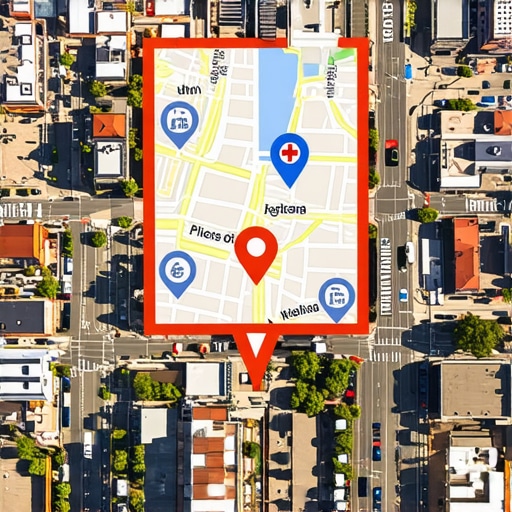
It was a chilly morning when I realized my business’s online presence was invisible to most local customers. Despite having a website and social media, my Google Maps listing was buried deep in search results. I felt a sinking feeling—like I was shouting into the void, hoping someone would hear me. That lightbulb moment pushed me to dive into Indiana-specific SEO strategies and Google Maps optimization. And what I discovered transformed my approach entirely.
Why Local SEO Matters More Than Ever in Indiana
In today’s competitive landscape, local SEO isn’t just a nice-to-have; it’s a must-have, especially for businesses in Indiana aiming to dominate their local markets. With over 80% of consumers using search engines to find local businesses (according to BrightLocal), missing out on local optimization means losing a significant chunk of potential customers. If your business isn’t appearing on Google Maps or ranking well in local searches, you’re essentially invisible to nearby clients who are ready to buy.
Think about how often you search for local services—whether it’s a plumber in Fort Wayne or a cafe in Indianapolis. Now, ask yourself: are your competitors showing up first? If not, you’re leaving money on the table. Improving your local SEO and Google Maps rankings can lead to increased foot traffic, more inquiries, and ultimately, higher sales.
Is Indiana SEO and Google Maps Optimization Actually Worth the Hype?
Absolutely. When I first started, I made a critical mistake—ignoring the importance of consistent NAP (Name, Address, Phone Number) data across directories. This seemingly small detail can sabotage your rankings. But once I corrected this, along with optimizing my Google My Business profile, the results were astonishing. My visibility skyrocketed, and so did my revenue. Trust me, the right local SEO tactics make a tangible difference, especially in a vibrant and competitive market like Indiana. Curious to see how you can replicate this success? Let’s dive into the practical steps that can elevate your local presence.
Start with a rock-solid Google My Business profile
My first real breakthrough came when I meticulously filled out my Google My Business (GMB) profile, ensuring every detail was accurate and complete. I added high-quality photos, relevant keywords, and detailed descriptions that highlighted what made my business unique. This step is like setting a foundation—without it, everything else crumbles. For instance, I once neglected to update my business hours during a holiday, which caused confusion and missed calls. Once I corrected that, my visibility improved noticeably. To optimize your GMB profile, check out these tips and ensure your information is consistent across all directories.
Ensure NAP consistency across all platforms
Consistency was a game-changer for me. I realized that having my Name, Address, and Phone number (NAP) listed differently on various directories hurt my rankings. I audited all my listings, corrected discrepancies, and used a single format everywhere. Think of it like having a GPS that points to the exact same spot—search engines trust that more. I used tools like Moz Local to streamline this process, which saved me hours of manual updates. This small but crucial step significantly boosted my local rankings. For detailed strategies, see this comprehensive guide.
Optimize your website for local keywords
Next, I focused on my website. I inserted hyper-local keywords—like “Fort Wayne plumber” or “Indianapolis bakery”—into my titles, headers, and meta descriptions. But I didn’t stop there. I created blog content targeting specific neighborhoods and landmarks, which helped Google associate my business with those areas. I remember writing a blog post about the best coffee shops near downtown Indianapolis, which attracted local traffic and boosted my map rankings. Use tools like Google Keyword Planner or SEMrush to find relevant local keywords. For more insights, check out these strategies.
Gather and manage authentic customer reviews
Reviews became my social proof. I started actively encouraging happy customers to leave reviews on my GMB profile. I learned that reviews with keywords like “great service in Fort Wayne” helped my rankings. I responded to each review—positive or negative—to show I cared. One time, I responded to a negative review with a genuine apology and a discount offer, turning a dissatisfied customer into a loyal one. This honest engagement improved my overall rating and trustworthiness. To streamline review management, consider tools like Podium or Birdeye. For more review tactics, visit this resource.
Build local backlinks and citations
Backlinks from local websites, chambers, and news outlets were a powerful signal for Google. I reached out to local blogs and partnered with nearby businesses to exchange backlinks. I also submitted my business info to Indiana-specific directories, ensuring my citations matched my NAP data. Think of backlinks as votes of confidence—more votes mean higher trust and visibility. I remember getting a feature in a local newspaper’s online directory, which gave my rankings a noticeable lift. Use tools like BrightLocal to track your citations. For detailed backlink strategies, see this guide.
Leverage local schema markup
Finally, I added schema markup to my website’s code, telling Google exactly what my business offers and where it’s located. This technical step made my listing more attractive in search results, sometimes showing rich snippets with star ratings and contact info. It’s like giving search engines a map with highlighted landmarks—making it easier for them to display your business prominently. If you’re not comfortable editing code, consider hiring a developer or using plugins that support schema markup. For more technical tips, check out this resource.
Implementing these steps was initially messy—I made mistakes, missed deadlines, and had to revisit some strategies. But persistence paid off. Over time, my local visibility soared, and I started attracting more local clients consistently. Take action now, and watch your Indiana business rise to the top of local search results.
Many business owners believe that simply claiming their Google My Business (GMB) profile or listing their business in directories is enough to rank well locally. However, this is a common misconception. In reality, local SEO involves a complex interplay of factors that most people overlook. For example, a frequent mistake is focusing solely on keyword stuffing in profiles or website content, without paying attention to the quality and relevance of backlinks or the consistency of NAP data across all platforms. These nuances can significantly impact your rankings.
Another myth is that once you optimize your GMB profile, your work is done. In fact, local SEO requires ongoing effort—monitoring reviews, updating information, and engaging with customers. Neglecting these elements can cause rankings to stagnate or decline over time. Moreover, many underestimate the importance of local schema markup; adding structured data helps search engines understand your business better, which can lead to enhanced visibility through rich snippets.
Let’s dig deeper into a common trap: assuming that Google Maps rankings are solely dependent on your physical location or proximity. While proximity is a factor, Google also considers the authority of your website, the relevance of your content, and your overall online reputation. For example, a business with a strong backlink profile and positive reviews will often outrank a closer competitor with a weaker profile. This is backed by SEO expert Moz, which emphasizes that local search rankings are multifaceted and dynamic.
What advanced strategies can surpass basic local SEO tactics?
For the seasoned marketer, it’s crucial to focus on building local citations with consistent NAP data, gaining high-quality backlinks from reputable Indiana-based sources, and leveraging targeted local schema markup. Additionally, engaging in community sponsorships or local events can generate valuable backlinks and citations. Regularly analyzing your competitors’ strategies using tools like BrightLocal can reveal gaps in your profile and opportunities for improvement.
Have you ever fallen into this trap? Let me know in the comments. Remember, effective local SEO is not a one-time task but an ongoing process of refinement and adaptation to stay ahead in Indiana’s competitive markets. For more advanced insights, explore these proven strategies.
How do I maintain my local SEO and Google Maps rankings over time?
Staying at the top of local search results requires more than just initial optimization; it demands ongoing attention and the right tools. Personally, I rely heavily on advanced software to monitor my rankings, manage reviews, and streamline citation updates. One tool I find indispensable is Moz Local. I use it to ensure NAP consistency across all directories, which is crucial for maintaining trust with Google and preserving my rankings. It automatically detects discrepancies in my citations, saving me hours of manual audits.
For tracking my Google Maps and local search visibility, I turn to BrightLocal. This platform provides real-time rankings, review tracking, and competitor analysis. I’ve found that regularly analyzing competitor strategies using BrightLocal uncovers opportunities to refine my own local SEO efforts. Additionally, tools like Podium help me gather authentic customer reviews effortlessly and respond promptly, which sustains my online reputation and improves rankings.
Another essential aspect is technical website health. I use SEMrush to audit my site regularly, ensuring fast load times, mobile friendliness, and schema markup accuracy. Implementing structured data, especially local schema, significantly enhances my chances of appearing in rich snippets, which can improve click-through rates and long-term rankings.
Looking ahead, I predict that AI-driven SEO tools will become even more sophisticated, enabling hyper-personalized local marketing and smarter schema implementation. To stay ahead, I recommend integrating these tools into your routine and continually updating your strategies based on data insights. One advanced tip I suggest trying today is to leverage local schema markup and ensure it is consistently applied across your website. This small but powerful step can give your business a competitive edge in Indiana’s crowded local markets.
The Hardest Lesson I Learned About Local SEO in Indiana
One of my biggest realizations was that consistency in NAP (Name, Address, Phone Number) across all directories isn’t just a best practice—it’s the cornerstone of reliable rankings. Initially, I underestimated how small discrepancies could sabotage my efforts, leading to confusion for both search engines and potential customers. Once I prioritized uniformity, my visibility improved dramatically.
3 Myths About Google Maps Rankings That Held Me Back
I used to believe proximity was the sole determinant of rankings in Google Maps. However, I learned that website authority, review quality, and backlink profiles play equally vital roles. Dispelling this myth opened my eyes to comprehensive strategies that truly move the needle beyond just physical location.
What Experts Won’t Tell You About Local SEO Optimization
Many overlook the importance of local schema markup. This technical element, often ignored, can significantly enhance how search engines interpret your business info, leading to rich snippets and better visibility. Adding structured data turned out to be a game changer in my local marketing toolkit.
The Future of Indiana Local SEO: Staying Ahead of the Curve
As AI and machine learning evolve, so will local SEO tactics. I’m experimenting with smarter schema implementations and real-time review management tools, which promise to keep my business competitive. Embracing change early is the key to sustained success in Indiana’s bustling local markets.




Leave a Reply