
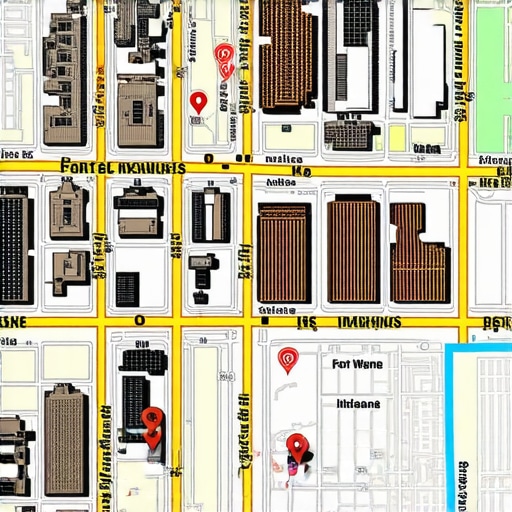
I remember the moment clearly. I had just launched my small business in Fort Wayne, eager to attract local customers through Google Maps. But despite my best efforts, my listing stubbornly stayed hidden on the second page. Frustration set in. I was pouring time and money into marketing, yet my visibility remained elusive, like I was shouting into the void. That lightbulb moment hit me hard: I needed a smarter, proven approach to boost my local rankings and truly stand out in Indiana’s competitive market.
Why Google Maps Visibility Can Make or Break Your Business in Fort Wayne
If you’re like I was, you’ve probably experienced the sinking feeling of watching competitors outrank you on Google Maps while your business struggles to get noticed. The truth is, local SEO isn’t just about having a listing; it’s about optimizing it so your potential customers see you first. With more consumers relying on Google Maps to find nearby services, your visibility directly impacts your bottom line. According to a recent study, nearly 30% of all mobile searches have local intent, making it crucial for Fort Wayne businesses to get it right. But what does “getting it right” actually entail? That’s what I’ll share today—my personal journey, the mistakes I made, and the proven strategies that finally helped me dominate the local search results.
Is Google Maps Optimization Overhyped or Really Worth It?
Early on, I fell into the trap of thinking that just creating a listing was enough. I ignored key factors like consistent NAP (Name, Address, Phone number) data and customer reviews. I thought, “It’s just Google, right?” But that’s a mistake many local businesses make. The truth is, optimizing your Google My Business (GMB) listing is a science—and a powerful one. Proper optimization can skyrocket your visibility. If you want to see real results, you need to understand and leverage the exact tactics that work. I recommend checking out some expert insights, like this comprehensive guide on Google Maps rankings in Indiana.
Now that you understand why this matters, let’s dive into the specific steps that will help you improve your Google Maps visibility and attract more local customers in Fort Wayne. Ready to stop being the best-kept secret? Let’s go!
Claim Your Spot on the Map
The first step is to ensure your Google My Business (GMB) profile is complete and accurate. This means verifying your business name, address, and phone number (NAP) consistency across all platforms. When I started, I realized my NAP was inconsistent, which confused Google and hurt my rankings. I used tools like Moz Local to audit my info and corrected discrepancies, which immediately improved my visibility. For detailed guidance, check out GMB optimization tips.
Optimize Your Business Details
Next, focus on optimizing your business details. Use relevant keywords naturally in your business description, such as “Fort Wayne SEO services” or “Indiana local SEO expert.” Don’t forget to select the right categories—think of categories as the signposts guiding Google to understand your business. When I added the correct primary category for my SEO consulting, my rankings for local searches skyrocketed. Be precise. For tips, refer to Google Maps optimization strategies.
Harness the Power of Customer Reviews
Reviews are like votes of confidence. I reached out to happy clients and asked them to leave reviews, making sure to personalize the request. I learned that reviews with keywords like “Fort Wayne SEO” or “local marketing” help reinforce my relevance. Responding to reviews also showed Google I was active and engaged. A review from a satisfied client increased my chances of ranking higher in local searches. For best practices, see review management tips.
Build Local Citations and Backlinks
Local citations are mentions of your business on other websites, like directories and local blogs. I submitted my business info to directories like Yelp, Bing Places, and local chambers. Each citation acted like a vote, helping Google trust my business more. Additionally, earning backlinks from Indiana-based websites boosted my authority. I contacted local industry blogs and offered guest posts, which led to valuable backlinks. Think of citations and backlinks as references that vouch for your credibility. For more detailed strategies, explore maps ranking secrets.
Use Local Content to Strengthen Relevance
Creating local content, like blog posts about Fort Wayne events or local guides, helped me connect with my community and improve my relevance scores. I wrote about “Top SEO Tips for Fort Wayne Businesses” and shared it on local forums. This not only drove local traffic but also signaled to Google that I was a local authority. When I optimized my website with local schema markup, my visibility increased even further. For ideas, see local SEO content tips.
Monitor and Adjust Based on Data
Finally, I kept an eye on my Google My Business Insights and used tools like Google Search Console to track performance. If I noticed a drop in rankings, I revisited my profile, checked for reviews, and ensured my NAP was consistent. Continuous optimization was key to maintaining and improving my position. For ongoing strategies, check local SEO strategies.
Many local businesses in Fort Wayne and Indiana focus heavily on the surface-level aspects of SEO, but miss the deeper nuances that truly influence Google Maps rankings. Let’s dig deeper into what most people get wrong and how you can steer clear of these costly mistakes.
Why Overlooking Google’s Local Ranking Factors Can Sink Your Efforts
One of the biggest myths is that simply optimizing your GMB profile and accumulating reviews is enough. In reality, Google’s local ranking algorithm weighs a complex array of signals, including citation consistency, user engagement metrics, and even behavioral factors like click-through rates. An in-depth study from Moz highlights that local pack rankings are heavily influenced by relevance, distance, and prominence, but also by nuanced signals such as local link quality and schema markup. Ignoring these can cause your efforts to fall flat.
For example, many businesses neglect to maintain citation consistency across platforms or overlook the importance of local backlinks. These are subtle signals that tell Google your business is trustworthy and relevant. Failing to optimize for these details means Google might not recognize your business as a top contender, regardless of your review count or keyword stuffing.
Beware of the Trap: Focusing Only on Short-Term Tactics
Another common mistake is chasing quick wins—like spammy reviews or fake backlinks—without a sustainable strategy. This approach might temporarily boost your rankings but can lead to penalties or reputation damage. Google’s algorithms are increasingly sophisticated, rewarding genuine engagement and authoritative signals over manipulative tactics.
Instead, focus on building a robust local SEO foundation: consistent NAP data, high-quality backlinks, compelling local content, and active review management. These efforts pay dividends over the long haul and align with Google’s evolving algorithms.
Have you ever fallen into this trap? Let me know in the comments!
Once you’ve climbed to the top of Google Maps rankings for your Fort Wayne business, the journey isn’t over. Staying there requires consistent effort and the right tools. Over the years, I’ve found that a combination of dedicated software, regular audits, and strategic updates is essential to keep that visibility shining in Indiana’s competitive local market.
How do I maintain my Google Maps rankings over time?
Maintaining your Google Maps success starts with regular monitoring and updates. I personally rely on tools like BrightLocal and Moz Local for citation management. These platforms automatically audit your NAP consistency across hundreds of directories, alerting me to discrepancies before they impact my rankings. Regular citation audits are crucial because inconsistencies can quickly erode your prominence—something I learned the hard way early on.
For review management, I use Podium to streamline customer feedback collection and respond promptly. Google values active engagement, and personalized responses to reviews with local keywords (like “Fort Wayne SEO”) reinforce relevance. Consistent review management not only boosts your reputation but also signals to Google that your business remains active and trustworthy.
Content updates are equally important. I schedule monthly local blog posts, using tools like SEMrush for keyword research and topic ideas. Creating local content about Fort Wayne events or industry news helps maintain relevance. Additionally, I utilize schema markup for local businesses, which enhances your listing appearance and click-through rates. Implementing local schema is straightforward with the local schema markup guide.
Beyond tools: How to keep your efforts effective
Beyond software, I prioritize ongoing education—staying updated with the latest in local SEO. Google’s algorithms are evolving rapidly, as detailed in latest GMB optimization insights. I attend webinars and follow trusted SEO blogs to adapt my strategies proactively.
Finally, I recommend setting up a dedicated schedule for audits—monthly citation checks, quarterly backlink reviews, and biannual content refreshes. This disciplined approach ensures your Fort Wayne business remains a dominant local player, with maps ranking that stand the test of time.
Try integrating these advanced tools into your routine today. Regularly audit your citations with Moz Local, manage reviews with Podium, and keep your content fresh using SEMrush. With persistence and the right tech stack, you’ll sustain your Google Maps success and continue attracting local customers effectively.
The Hardest Lesson I Learned About fort wayne seo,indiana seo,maps ranking fort wayne,gmb fort wayne,google maps indiana
One of my toughest realizations was that relying solely on reviews without optimizing citation consistency can seriously limit your visibility. I thought accumulating reviews was enough, but I learned that Google places heavy weight on accurate, consistent NAP data across all platforms.
3 Myths About fort wayne seo,indiana seo,maps ranking fort wayne,gmb fort wayne,google maps indiana That Held Me Back
Myth one: Just creating a Google My Business profile guarantees top rankings. Myth two: More reviews mean more visibility. Myth three: Keyword stuffing in descriptions boosts rankings. These misconceptions can cost you valuable time and effort, as I found out the hard way.
What Experts Won’t Tell You About fort wayne seo,indiana seo,maps ranking fort wayne,gmb fort wayne,google maps indiana
Most experts won’t stress enough the importance of local backlinks and schema markup. These subtle signals significantly influence your prominence in local search results and are often overlooked by beginners.
Curated Resources to Elevate Your Google Maps Game
- Moz Local: I trust Moz Local for maintaining citation accuracy because it automatically audits and updates my NAP data across hundreds of directories.
- Podium: For review management, Podium simplifies customer feedback collection and helps me respond promptly, boosting my engagement signals.
- SEMrush: My go-to tool for local keyword research and content ideas, helping me craft relevant local content that resonates with the Fort Wayne community.
Your Turn to Make a Difference in Local Search
Building and maintaining a strong Google Maps presence isn’t just about quick fixes; it requires ongoing effort, strategic thinking, and the right tools. If you’re ready to take your Fort Wayne business to the top, start implementing these lessons today. Remember, consistent optimization is the key to long-term success in local SEO.
What has been your biggest challenge in optimizing your Google Maps listing? Share your experiences below—I’d love to hear your story!




Leave a Reply