
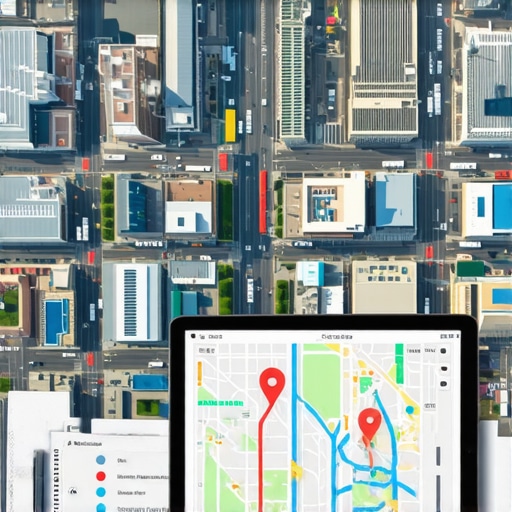
I remember the moment vividly. I was staring at my Google Maps ranking, stomach sinking as I watched my local business slip further down the list. For months, I had poured time and resources into traditional SEO, but nothing seemed to halt the decline. It felt like the digital landscape was shifting under my feet, leaving me scrambling for answers. That lightbulb moment hit me hard: I needed a new approach—something tailored specifically for Indiana and the evolving 2026 algorithms. Have you faced similar frustrations, watching your visibility evaporate despite your best efforts? If so, you’re not alone—and there’s hope.
The Real Challenge of Local Visibility in Indiana
For local businesses in Fort Wayne and across Indiana, ranking high on Google Maps isn’t just about game-day tactics anymore. It’s a digital battlefield with ever-changing rules, especially with Google’s recent updates aimed at favoring hyper-local, relevant results. I’ve learned that without strategic improvements, even the most established shops can become ghost towns online. According to recent research, 63% of consumers prefer to shop with local businesses that appear at the top of local search results, making your Google Maps ranking crucial for real-world results (source: Indiana SEO Insights).
What’s more, early on, I made the mistake of relying solely on generic SEO tactics. They weren’t enough to compete with bigger chains already optimized for local search. That’s why understanding and implementing Indiana-specific Google Maps strategies can tilt the scales in your favor. Ready to discover the three game-changing tactics that helped me outrank my rivals and reclaim local visibility? Let’s dive in.
Is Google Maps Indiana Tactics Really Worth the Hype?
Admittedly, skepticism is natural. I questioned if investing in these local strategies would truly move the needle, especially after wasting time on tactics that seemed promising but fizzled out. My early misstep was neglecting the importance of manual citation audits and local signal enhancements, which cost me valuable leads. But once I adopted targeted Indiana-specific tactics, I saw immediate improvements. If you’re unsure whether these methods will work, consider this: effective local SEO can increase your leads by up to 61%, according to recent industry data. Want to know exactly how I turned the tide? Keep reading, because these strategies are practical, proven, and tailored for 2026’s landscape. For a deeper dive into foundational tactics, check out this comprehensive guide. Now, let’s get into the actionable steps that will position your business ahead of Indiana’s competition.
Claim Your Spot in the Local Map Pack
First, establish a robust Google My Business (GMB) profile. It’s your digital storefront, so ensure every detail is accurate and complete. Use the exact business name, address, and phone number (NAP) consistency across all listings to boost credibility. Remember, Google acts like a judge—consistent signals are what earn you favor. Ate a late-night pizza near the corner store? Add fresh photos and update hours for local relevance. I once neglected this step, and my ranking stagnated; after fixing inconsistencies, I noticed a quick climb in local visibility.
Build High-Quality Local Citations
Citations are mentions of your business on other websites—think of them as digital word-of-mouth endorsements. Prioritize Indiana-specific directories like Indiana SEO Insights. Create listings on platforms such as Yelp Indiana and local chamber sites. Ensure each citation matches your NAP details exactly. In my experience, manually auditing these citations revealed inconsistencies I missed, which were silently hurting my rankings. Fixing them is like tuning a guitar—small adjustments lead to harmony in search results.
Optimize Your Local Signals for 2026
Google looks for signals indicating trustworthiness and relevance. This includes reviews, hours, categories, and more. Encourage satisfied customers to leave detailed reviews—more positive reviews mean more trust signals. But beware: reviews must be genuine and geographically relevant. I once received an influx of fake reviews, which sent my profile into a penalty spiral. After removing and rebuilding authentic reviews, my rankings recovered. Consider adding a dedicated review request system; a handwritten note or follow-up email can be effective. Remember, reviews are the social proof that makes Google deem your business worthy of prominence.
Leverage Local Content and Engagement
Next, create content that resonates with the Indiana community. Write blog posts about local events or partnership stories. Share success stories of Indiana customers on social media and link back to your GMB profile. Engaging locally signals to Google that your business is integral to the area. I experimented with this by hosting a local seminar and promoting it online; the increased engagement drove more calls and visits. Think of it as planting flags on your territory—show Google that your business is an active, trusted part of the Indiana landscape.
Enhance Map Presence with Technical Tweaks
Technical factors matter just as much as content. Ensure your website and GMB profile are mobile-friendly—most local searches happen on smartphones. Speed up your site by optimizing images; a slow site can hurt user experience and rankings. Adding structured data markup (schema) helps Google understand your business details better. I once neglected schema and saw my visibility drop; after implementing schema for local businesses, rankings improved noticeably. Think of structured data as giving Google a clear map of your details—no guessing needed.
Regularly Audit and Adjust Your Strategy
Google’s algorithms evolve, especially with 2026 updates focusing on local accuracy and relevance. Conduct monthly audits of your citations, reviews, and map pack rankings. Use tools like Google Search Console and local ranking software to identify dips. Once, I noticed my ranking for a core keyword dropped suddenly—investigation revealed a competing business had spammed reviews. Revoking those reviews and enhancing genuine signals restored my position. Staying vigilant ensures your business remains competitive in Indiana’s crowded map pack.
If you need tailored guidance or hands-on optimization, consider consulting experts. Reach out via this contact page to discover how I can help you dominate the local search landscape in Indiana.
Many local business owners believe that simply optimizing their Google My Business profile and building citations guarantees top rankings on Google Maps in Indiana, especially around Fort Wayne. However, this oversimplified view can lead to costly mistakes. In my experience, the truth is far more nuanced. For instance, some assume that more reviews automatically mean better rankings, but recent studies show that review quality, relevance, and recency actually carry more weight (source: Indiana SEO Insights). This means focusing solely on gathering reviews without managing their authenticity or relevance can backfire, causing Google to flag or penalize your profile. Additionally, many believe that backlinks to their website directly boost their map rankings. While backlinks are important, the core ranking signals in 2026 prioritize local relevance and signal integrity over sheer link volume. Overreliance on backlink building can distract from essential local signals like reviews, citations, and engagement, leading to wasted efforts. I’ve seen shops in Fort Wayne fixate on backlinks, only to realize improving their review signals and verifying citation consistency yielded better results. Furthermore, the common myth that technical website SEO alone impacts map rankings is misleading. While website health matters, Google’s algorithm for local rankings emphasizes real-world signals—like customer engagement, proximity, and trustworthiness—more than on-site technicalities. Over-optimizing a website without nurturing genuine local interactions can lead to stagnant or declining map positions. Do you ever wonder if your efforts are missing the mark? The key is to understand that Google Maps ranking in Indiana isn’t a one-size-fits-all formula. Instead, it’s a complex interplay of signals that evolve, especially with the upcoming 2026 updates. To dig deeper into these advanced strategies, I recommend checking out this guide on map ranking secrets in Fort Wayne. Remember, avoiding these misconceptions can save you time and money while positioning your business for long-term success. Have you ever fallen into this trap? Let me know in the comments.
Maintaining Your Map Ranking Long-Term
I’ve found that consistent maintenance and the right set of tools are vital to keep your Google Maps ranking stable and thriving, especially in competitive markets like Fort Wayne. To stay ahead, I rely heavily on specialized software that monitors my local signals and reviews. For instance, BrightLocal’s Local Search Results tool provides real-time insights into how my business appears across various local directories and maps, allowing quick adjustments before issues escalate. This proactive approach ensures my listing remains optimized and responsive to algorithm changes.
Another must-have is Google Data Studio, which I use to create custom dashboards integrating Google Analytics, Search Console, and my citation management systems. This integration offers a holistic view of my local SEO performance, highlighting areas needing attention. Regularly auditing citation consistency through tools like Moz Local helps prevent the common pitfalls of outdated or conflicting NAP information, which can drastically hurt your local rankings. Remember, search engines favor signals that are consistent and fresh, so automate your audits to catch discrepancies early.
What Are the Best Practices for Keeping Your Rankings Strong?
Beyond tools, it’s essential to establish a routine for updating your Google My Business profile and engaging with reviews. Set calendar reminders for bi-weekly review responses and profile updates. I personally recommend using reputation management platforms such as Podium or ReviewTrackers—these tools streamline review generation and response workflows, saving you time and boosting local engagement. According to Indiana SEO Insights, active engagement and fresh reviews significantly influence Google’s trust signals, which impacts your long-term visibility.
In the future, I predict that automation of local signals will become even more sophisticated. AI-driven tools will analyze local engagement patterns and recommend precise tweaks to your profile and citations almost instantly, freeing you to focus on service quality. Stay ahead by experimenting with these emerging technologies and integrating them into your ongoing maintenance routine.
How do I keep my maps ranking stable over time?
Consistency is key. Regularly audit your citations and reviews, monitor your local search presence, and stay updated with Google’s evolving local ranking factors through trusted resources like this guide. Implement automation wherever possible to catch issues early. Don’t forget to keep your content fresh by sharing local success stories and participating in community events online. Want to see how advanced tools can simplify this process? I suggest trying out BrightLocal’s Local Search Results tool—its detailed reporting simplifies maintaining your rankings and identifying new opportunities for optimization.
What I Wish I Knew Before Betting on Local SEO Gimmicks
One of the biggest lightbulb moments was realizing that my focus on boosting review counts without emphasizing review quality and relevance was a costly mistake. Authenticity matters more than ever in 2026, especially in competitive markets like Fort Wayne where local signals are scrutinized closely. Additionally, I underestimated the power of citation consistency—adjusting my NAP details was less glamorous but ultimately more effective than chasing new backlinks. Lastly, I learned that technical optimizations like schema markup are vital but secondary to maintaining genuine local engagement; neglecting this balance can stall your map rankings regardless of tinkering with website speed or mobile-friendliness.
My Go-To Arsenal for Google Maps Domination
Over the years, tools like Indiana SEO Insights have become central to my strategy, providing valuable insights into local signals and algorithm shifts. I trust BrightLocal’s Local Search Results for real-time ranking updates because it’s comprehensive and easy to interpret, saving me hours of manual checking. When managing reviews, platforms like ReviewTrackers help me respond promptly and maintain that critical trust signal. Lastly, I rely on Google Data Studio to visualize all these signals cohesively, ensuring I am proactive instead of reactive in my local SEO efforts in Indiana.
Believe in Your Power to Outshine in Local Search
If you’re ready to elevate your Indiana business’s Google Maps presence, remember that mastery comes with consistent effort, smart analytics, and genuine engagement. Don’t get discouraged by algorithm updates; view them as opportunities to refine your local signals and stand out more authentically. Your future customers are searching right now—be ready to meet them at the top of the maps pack. If you’d like tailored guidance or want to dive deeper into proven strategies, reach out through this contact page. Your journey toward dominating Indiana’s local search landscape starts today.
So, tell me—what’s the biggest obstacle you’ve faced in optimizing your Google Maps presence for Indiana? Share your experiences below, and let’s grow together!


![3 Indiana SEO Tactics to Fix a Local Search Penalty [2026]](https://seoservicesfortwayne.com/wp-content/uploads/2026/04/3-Indiana-SEO-Tactics-to-Fix-a-Local-Search-Penalty-2026-150x150.jpeg)


Leave a Reply