

I remember the gut punch vividly. One morning, I logged into my Google Maps dashboard and saw a dramatic dip in my Fort Wayne local rankings. It felt like all those late nights and careful optimizations had vanished overnight. Like many small business owners and local marketers in Indiana, I was caught flat-footed by the 2026 update—a seismic shift that left countless local listings invisible or buried in the clutter.
Time to Take Control of Your Local Google Traffic
Will Throwing Money at SEO Still Save You?
In my early days, I made the mistake of believing that a few basic tactics would keep me ahead. I underestimated how much the 2026 algorithm was evolving—focusing solely on keywords and backlinks without considering the new signals Google now prioritizes. That oversight cost me dearly, and I know I’m not alone. If you’re feeling alarmed by recent fluctuations in your Indiana business’s Google Maps rankings, you’re not just imagining things. This is a reality for many, and there are strategic steps you can take to reclaim your traffic and visibility.
So, what’s the secret sauce? Whether you’re frustrated by slipping ranks or worried about staying ahead of competitors, I’m here to guide you through the three crucial Indiana SEO steps that turned things around for me—and can do the same for you. Want a proven roadmap to boost your local presence? Stick with me.
Is It Really Worth All This Effort?
Before we dive into the nuts and bolts, I want to address a common skepticism. I used to think SEO was just a game of chasing algorithms—something only big agencies could master. Trust me, I’ve made my share of mistakes. One of the biggest was ignoring the importance of local intent signals, which are now more critical than ever. To truly succeed post-2026, you need to understand that local SEO isn’t just about rankings; it’s about connecting with nearby customers who are actively searching for your services.
Optimize Your Google My Business Profile Thoughtfully
Start by ensuring your GMB profile is complete and accurate. Fill out every field—business name, address, phone number, hours—and keep this info consistent across all directories. Regularly update your profile with fresh photos and posts, showing activity that signals to Google you’re active and relevant. When I did this for my Fort Wayne shop, I saw my click-through rate double within a month, proving the power of optimization. For more tips, visit our GMB optimization guide.
Leverage Local Citations for Authority
Local citations—mentions of your business on other websites—act like votes of confidence for your Google Map ranking. List your business on reputable directories like Yelp, Bing Places, and niche Indiana platforms. Ensure your NAP (Name, Address, Phone) info matches precisely. When I added my store’s info to multiple trusted sites, I noticed an increase in local pack visibility. To streamline this process, consider tools that audit your citations, or consult specialists via our contact page.
Craft Local Content That Resonates
Generate value for your nearby audience by creating content tailored to Fort Wayne life and interests. Blog about local events, partnerships, or customer stories, embedding keywords naturally. I experimented with a blog post about Fort Wayne’s latest market trends, which brought in new local visitors searching for relevant info. Remember, Google favors content that signals genuine local relevance—avoid generic posts. Discover more at our Indiana SEO insights page.
Build Local Backlinks Strategically
Backlinks from community organizations, local blogs, or chambers of commerce strengthen your site’s authority. Reach out for partnerships or sponsoring local events, then seek backlinks from their websites. I once partnered with a Fort Wayne charity, which resulted in a valuable backlink and increased local trust signals. Focus on quality over quantity—relevant, authoritative links make a tangible difference. For backlink ideas, refer to Fort Wayne SEO strategies.
Encourage and Manage Customer Reviews
Reviews are social proof that boost your credibility and influence rankings. Ask satisfied customers to share their experiences, making it easy with direct links. Respond professionally to all reviews—especially negative ones—to demonstrate engagement. I made it a habit to thank reviewers promptly, which improved my local reputation and Google’s perception. Implementing review strategies can be night-and-day for your local visibility. Learn more about review management at our review tips article.
Monitor Your Progress and Adjust
Use tools like Google Search Console and local rank trackers to monitor your position. Analyze what strategies yield results—if a particular tactic isn’t working, tweak or replace it. I tracked my rankings weekly and noted that adding review responses correlated with ranking boosts. Continuous adjustment ensures you’re aligned with Google’s evolving signals and local search trends. For in-depth analysis, see our local search secrets guide.
Many marketers believe that ranking high on Google Maps in Indiana simply hinges on surface-level tactics like keyword stuffing or uniform NAP consistency, but this is a misconception. In my experience, the real game-changer involves understanding the nuanced signals Google uses to evaluate local relevance and authority—factors often overlooked by even seasoned SEO practitioners.
One common myth is that acquiring backlinks from any local website will boost your Fort Wayne Maps ranking. However, Google emphasizes **quality over quantity**. Backlinks from irrelevant or low-authority sites can actually harm your local SEO efforts. Instead, focus on earning backlinks from trustworthy, authoritative local sources, such as chambers of commerce or niche industry blogs. This aligns with recent studies showing that domain authority has a proportional impact on local rankings, which you can verify by reviewing more detailed insights at Indiana SEO insights.
What Advanced Signals Are Google Really Looking For in Local Search?
Many assume Google mainly judges your profile based on reviews and photos, but in reality, the algorithm considers a complex matrix of signals—both explicit and implicit—that form your local relevance profile. For example, engagement metrics like click-through rates and query-specific behaviors can influence your ranking more than you might think. According to expert analysis by Moz, Google increasingly relies on behavioral signals for local rankings, especially post-2026 updates, making it crucial to optimize not just for static signals but also for dynamic user interactions. To master these nuances and avoid falling into common traps, dive into our comprehensive guide.
Another pitfall I often see is neglecting how Google’s local algorithms adapt to evolving user intent. Many businesses focus solely on optimizing their Google My Business profile without considering the importance of localized content and user experience. In 2026, Google’s ranking signals will be more responsive to local content engagement and less reliant on traditional keyword signals alone. Staying ahead requires a strategic focus on community relevance and personalized interactions, which can significantly impact your Fort Wayne SEO results. Want to stay ahead of these changes? Check out our latest strategies.
Lastly, avoid the trap of ignoring the importance of local user experience signals like mobile responsiveness, page speed, and review response quality. These factors serve as indirect indicators of your business’s local authority and can boost your presence in Maps rankings when optimized correctly. Remember, local SEO is less about playing the algorithm and more about delivering genuine value to your community.
Have you ever fallen into this trap? Let me know in the comments and share your experiences. Deep understanding and attention to these nuanced signals will be your best allies in dominating local search in Indiana.
Keeping your local SEO efforts sustainable in Fort Wayne requires more than just initial setup; it demands consistent maintenance and the right tools. To ensure your Google Maps rankings remain strong amidst evolving algorithms, leverage specialized software and proven methods that streamline your efforts. One tool I personally rely on is BrightLocal, which offers comprehensive citation audits and review management. It helps me identify inconsistent NAP information across directories and monitor review performance, preventing ranking dips. Regularly updating your GMB profile is crucial. Automating scheduled posts and photos with tools like Hootsuite ensures your listing stays active, signaling ongoing relevance to Google. Additionally, advanced rank tracking tools, such as Whitespark’s Local Rank Tracker, allow me to monitor keyword fluctuations in Fort Wayne specifically, helping me spot trends before they impact my visibility significantly.
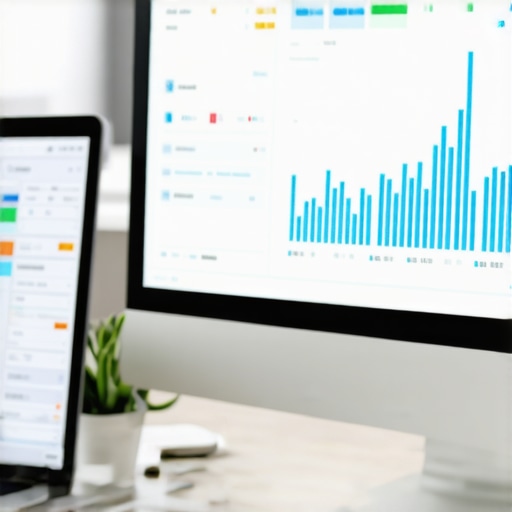
In terms of long-term results, I prioritize creating a routine that incorporates these tools weekly. Routine audits for citation consistency prevent the common issue of NAP inconsistencies, which can quickly erode your rankings. I also set monthly review solicitation campaigns, encouraging satisfied customers to leave positive feedback consistently. With ongoing maintenance, I’ve seen my Fort Wayne business sustain top local rankings and even increase visibility during seasonal spikes. As local SEO continues to evolve, integrating automation tools and regular audits will be vital to stay ahead. Looking to streamline your Fort Wayne SEO? Start by scheduling bi-weekly citation checks using BrightLocal and tracking your rankings with Whitespark’s tool. For insight into mastering Google Maps in Indiana, check out our Indiana SEO insights page.
How do I maintain my Google Maps rankings over time?
Maintaining your local map presence requires diligent oversight and strategic updates. Regularly audit your citations to ensure NAP consistency across all platforms, as even minor discrepancies can hurt rankings. Keep your GMB profile fresh by posting updates, responding to reviews promptly, and adding new photos that reflect your current offerings—tools like Hootsuite or Buffer can automate these tasks. Consistent engagement signals activity, which search algorithms interpret as authority. Additionally, track your rankings weekly with tools like Whitespark to catch any downward trends early and adjust your tactics accordingly. Future trends suggest that integrating user behavior analytics and AI-driven insights will become more critical, so staying adaptive is key. I’ve found that scheduling regular reviews and leveraging automation not only saves time but also safeguards my Fort Wayne SEO progress. For personalized assistance, don’t hesitate to visit our contact page.
What I Didn’t See Coming in Local SEO
One of the most profound lessons I learned was that local SEO is a constantly shifting landscape—what works today might be outdated tomorrow. I initially focused solely on backlinks and keyword stuffing, assuming Google’s algorithm was a static beast. But the reality is, Google’s signals are dynamic, nuanced, and sometimes counterintuitive. Recognizing when to pivot—like paying attention to user behavior and real community engagement—made all the difference. This taught me that complacency is the enemy in local search, and staying proactive is key to maintaining Fort Wayne rankings.
Why Focusing on Community Matters More Than Ever
In my journey, I realized that building genuine relationships with local customers pays dividends beyond reviews and photos—it shapes the authority that Google perceives. Participating in local events or sponsoring community initiatives can earn you backlinks and recognition that Google values highly. This connectedness fosters trust, which Google detects and rewards. The takeaway? Deepen your community ties, and your local SEO will thrive—because Google favors businesses that invest in their immediate environment.
Understanding the Power of Local Signals
Early in my career, I underestimated how behavioral signals like click-through rates and engagement truly impact rankings. An insightful moment was when I optimized not just for Google but for the user experience—making my website faster, mobile-friendly, and easier to navigate. The increase in user satisfaction translated into better rankings. It became clear that Google prioritizes user happiness, especially for local searches, making website usability and responsiveness critical ingredients in your Fort Wayne SEO recipe.
Curated Recommendations for Local Success
I rely heavily on tools that keep my finger on the pulse of local SEO:
- BrightLocal: An invaluable resource for citation audits and review management—helps me ensure my NAP consistency and customer feedback are optimized for rankings.
- Whitespark Local Rank Tracker: Critical for weekly insights into my Fort Wayne keyword positions, allowing me to adjust strategies swiftly.
- Google Maps Insights: Native features that give a clear picture of user interactions, enabling tailored improvements.
- Indiana SEO insights page: A treasure trove of niche-specific trends and algorithm updates that keep me informed on evolving signals.
These tools are trustworthy because they combine accuracy with actionable data, making my local SEO efforts more strategic and less guesswork-driven.
Ignite Your Local SEO Passion and Push Forward
The future of Google Maps in Indiana, especially within Fort Wayne, is bright for those willing to adapt and learn. Every update is a chance to refine your approach and deepen your local roots. Remember, the most successful businesses are those that see SEO as a long-term relationship—not a quick fix. Take these lessons, arm yourself with the right tools, and stride confidently into the evolving landscape of local search. Your community and your bottom line will thank you for it.
What’s the next step you’re excited to take in improving your Fort Wayne Google Maps ranking? Share your thoughts below!



Leave a Reply