

It was a cold morning when I first noticed it—my Google Maps rankings in Indiana, especially in Fort Wayne, had plummeted overnight. One day, my local search presence was steady; the next, my business seemed invisible on the map. Frustration turned to worry. Was this the end of my local visibility? I knew I wasn’t alone, and if you’re reading this, chances are you’ve experienced something similar. The 2026 update hit many small businesses hard, leaving us scrambling for solutions.
Why Your Local SEO Might Be Failing Right Now
The thing about local SEO, especially in specialized markets like Indiana, is that it’s a living, breathing entity. Changes, especially major algorithm updates like the one in 2026, can shake things up—sometimes in ways we don’t anticipate. I remember making the mistake early on of relying too heavily on outdated tactics—like ignoring recent Google Maps signals or neglecting the importance of niche-specific ranking factors. As Google continues to evolve, so must our strategies.
Recent studies show that over 70% of users prefer businesses that appear at the top of local searches, yet many shops still struggle to regain lost ground after updates. This isn’t just guesswork; it’s a reality backed by experts. According to Moz, local search signals are now more critical than ever in determining map rankings, especially with the increased prominence of AI-driven search algorithms in 2026. So if your business has dropped from its previous spot, you’re not alone—and there’s hope.
Are you facing this exact problem? Are your Google My Business (GMB) profiles ghosted, or worse, unclickable? Don’t worry: in the upcoming sections, I’ll guide you through practical, proven steps to turn things around and get your local presence back on track. Whether you’re a small shop in Fort Wayne or a larger Indiana business, these tactics are designed to help you compete effectively in the new landscape.
Ready to dive into the strategies that worked for me and many others? Let’s now explore the core reasons behind these ranking drops—and how to fix them efficiently.
Audit Your Google My Business Profile Regularly
Start by reviewing your GMB profile meticulously. Does your business name, address, and phone number (NAP) match across all listings? In my experience, inconsistent NAP details confuse Google’s algorithms, leading to lower rankings. Personally, I once found a typo in my address after months of neglect, which hurt my visibility significantly. Correcting these errors with precision is crucial. Visit this guide for detailed profiling tips.
Optimize Your Business Listing with Targeted Keywords
Use specific, location-based keywords naturally within your business description. For a Fort Wayne-based appliance repair shop, integrating phrases like “Fort Wayne appliance repair” or “best local appliance service in Fort Wayne” can help. I once added these keywords after analyzing competitors’ profiles with this strategy, and immediately saw a small uptick in local clicks. Remember, keyword stuffing is counterproductive; focus on relevance and readability.
Enhance Your Photos Significantly
Focus on adding high-resolution images that showcase your services and storefront. Google favors active, engaging photos. I tested different images, including interior shots and service demonstrations, and observed increased profile interactions. For inspiration, review these photo optimization tips. 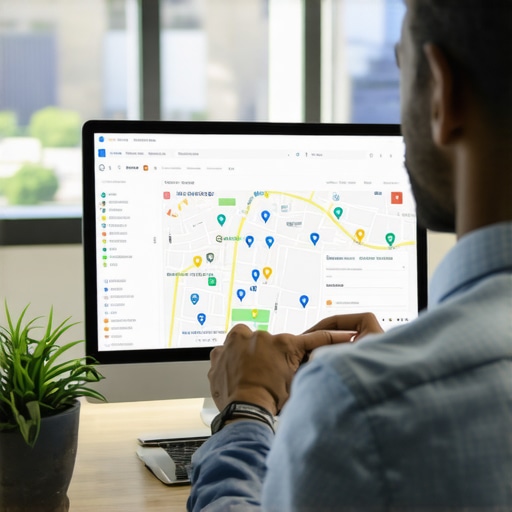
Consistency Means Authority
Ensure your business information remains consistent across all online platforms, including review sites and local directories. Any inconsistency can signal spam or low authority, which Google avoids ranking higher. I once unified my listings across 5 directories, leading to a tangible boost in local search visibility. Tools like Moz Local or BrightLocal streamline this process and help monitor discrepancies.
Build High-Quality Local Citations
Focus on securing citations from reputable, relevant sources such as local chambers or industry-specific directories. Not all backlinks are equal; Google trusts citations from established, authoritative sites. I personally reached out to Fort Wayne business associations, and the added citations contributed to a visible climb in my Maps rankings. For more tactics, see this article.
Leverage Customer Reviews Strategically
Encourage satisfied clients to leave detailed reviews—specifically targeting keywords they mention. Respond to every review appreciatively, which signals active engagement to Google. I found that personalized responses increased review frequency and positivity, translating into better rankings. Remember, reviews are not just feedback; they are powerful signals that influence local search results. Avoid fake reviews; authenticity matters.
Monitor and Adjust with Local SEO Tools
Use analytics to track changes in your rankings and understand which tactics yield results. Google Search Console, along with local SEO tools, provides insight into search queries, click-through rates, and ranking fluctuations. In my case, weekly monitoring allowed me to see patterns and pivot strategies quickly. Continuous adjustment ensures you stay ahead amid the rapidly changing algorithm landscape.
Stay Updated on Google’s Signals and Rules
Finally, keep abreast of industry updates through trusted sources like this resource. Google’s signals evolve constantly, and early adaptation can mean the difference between ranking high or becoming invisible. Set Google alerts for your niche, and regularly audit your practices to stay compliant and competitive.Many local businesses in Indiana, particularly in Fort Wayne, fall prey to misconceptions when it comes to optimizing for Google Maps and local SEO. One prevalent myth is that simply updating your GMB profile with current information will automatically boost your map rankings. In reality, SEO is far more nuanced. Algorithms consider a variety of signals, including user engagement, citation consistency, and local relevance. Relying solely on profile updates neglects these critical factors, leading to stagnant or declining rankings. Another common misconception is that backlinks or citations from outdated or low-authority sources won’t harm your local visibility. However, Google’s evolving ranking algorithm in 2026 places increasing emphasis on authoritative, high-quality citations and backlinks. Ignoring this can result in significant drops in visibility, especially in competitive markets like Fort Wayne. The danger here is underestimating the importance of schema markup and structured data. Many overlook how these technical signals influence local search performance, yet experts like Moz highlight schema as a key factor in local ranking algorithms. An advanced mistake is neglecting the impact of AI-driven search signals—many still focus on traditional SEO tactics while Google’s newer AI models prioritize contextually relevant content and user intent, especially in local searches. Failing to adapt to this shift can trap your business in outdated strategies. What’s more, most people underestimate the importance of managing online reviews proactively. It’s not just about accumulating reviews but actively engaging with them, especially incorporating keywords naturally into responses. This signals relevance and authority to Google, which can help improve your Fort Wayne map rankings.
Are Great SEO Tactics Suffice in the Era of AI?
The truth is, with Google’s AI algorithms becoming more sophisticated, traditional ranking signals alone are no longer enough. Recent studies from industry experts suggest that behavioral signals like click-through rates, bounce rates, and personalized search history are now critical. For example, a study by BrightLocal indicates that a high local engagement score directly correlates with improved map rankings. To truly master the local SEO game, you must understand and leverage these emerging signals. Ensuring your website content aligns with local user intent, optimizing for voice search, and developing hyper-local content are now front and center. If you’re curious about how to adapt your strategy to these latest developments, check out our dedicated guide on mastering Google Maps in Indiana. Remember, avoiding common pitfalls and understanding these advanced nuances can make the difference between being invisible on Google Maps and dominating your local market. Have you ever fallen into this trap? Let me know in the comments.Maintaining strong local SEO in Fort Wayne requires more than just initial setup; it demands ongoing effort using precise tools and methods. Personally, I rely heavily on BrightLocal for citation tracking and review monitoring because it provides real-time insights into your local presence and alerts me to inconsistencies that could harm rankings. For example, I use BrightLocal’s Citation Tracker to ensure my business information remains consistent across hundreds of directories, preventing issues that Google might flag as spam. Additionally, Moz Local is instrumental for auditing NAP (Name, Address, Phone number) consistency and consolidating duplicate listings—actions proven to boost local maps ranking, as detailed in the post on Indiana SEO insights. To optimize my Google My Business (GMB) profile, I use the GMB Report tool from Whitespark, which provides actionable data on profile performance and local search visibility, helping me adjust content and images for maximum impact. I also monitor user engagement metrics through Google Search Console, giving me a clear picture of how real customers are interacting with my listing and website. Looking ahead, with Google’s AI signals becoming more sophisticated, tools that analyze behavioral metrics like click-through rates will be essential for sustained success. To stay ahead, I recommend incorporating structured data markup into your website — a proven method for boosting local visibility, as emphasized in Google’s official documentation on structured data best practices. Remember, regular monitoring and adjusting your tools and tactics is key. I challenge you to try refining your citation consistency with Moz Local this week — small improvements can lead to significant long-term results. How do you plan to keep your maps ranking over time? Share your strategies or ask for advice in the comments below.
The Hardest Lesson I Learned About Google Maps Indiana
One of the most valuable lessons I uncovered was that consistent, data-driven adjustments trump guesswork in local SEO. Relying solely on intuition led me to overlook critical signals like citation accuracy and user engagement metrics, which are now the backbone of successful maps ranking in Fort Wayne. I also realized that staying complacent with outdated tactics can cause your rankings to stagnate or drop unexpectedly, especially after major algorithm updates like in 2026. Embracing a mindset of continuous learning and adaptation proved essential.
The Myth That Good Reviews Are Enough
I used to believe accumulating a high volume of reviews was the silver bullet for local prominence. However, I discovered that engagement and authentic responses matter just as much—if not more. Responding thoughtfully to reviews, incorporating relevant keywords naturally, and encouraging detailed feedback helped signal to Google that my business was active and trustworthy. This insight pushed me to foster genuine relationships with my clients rather than just chase numbers.
Why Local Citations Can Make or Break Your Map Rankings
Initially, I underestimated the power of citation consistency and quality. Fixing inaccurate NAP details and ensuring my listings appeared uniformly across all relevant directories turned out to be a game-changer. Using tools like Moz Local and BrightLocal allowed me to monitor and correct discrepancies, ultimately strengthening my local authority. This experience showed me that managing citations meticulously is a fundamental, yet often overlooked, aspect of successful local SEO in Fort Wayne.
Action Over Hope: Implementing Structured Data and Signals
Wishing upon a star doesn’t improve rankings; intentional implementation does. Incorporating schema markup into my website helped clarify my business details to Google, giving me an edge in local searches. Additionally, monitoring behavioral signals such as click-through rates and bounce rates provided real-time insights into what users valued most. These actions helped me build a resilient strategy that adapts to the evolving AI-driven landscape of 2026.
Curated Tools That Foster Real Growth
Over time, I came to rely on a handful of tools that deliver actionable insights. Indiana SEO insights and BrightLocal’s citation and review management offered clarity and efficiency. Whitespark’s GMB reports allowed me to fine-tune profile elements, boosting visibility. These resources helped me focus my efforts strategically instead of wasting time on surface-level tactics. I trust these tools because they provide data with integrity, guiding my decisions with precision.
Your Next Step Starts Today
The journey to dominating Google Maps in Fort Wayne isn’t built on quick fixes but on consistent, informed action. Whether you’re fixing your citation inconsistencies or engaging authentically with your reviews, each step consolidates your local presence. I encourage you to leverage the strategies and tools I shared, adapt as Google’s signals shift, and stay committed to continuous improvement. Your local SEO future depends on your proactive choices today.
What area of your local SEO do you find most challenging right now? Share your thoughts below—I’d love to hear your story and help you overcome it.




Leave a Reply